4-Year Undergraduate Programme

Bachelor's Programme
in Biotechnology

You don't just graduate with a degree, you gradaute by writing the code of life.  

Apply for Round 1Round 1 open
Closes 15 Dec '26

FORMAT

Full-time, Opt-in Residential

ELIGIBILITY

Class XII with PCB or PCM

DURATION

4 Years (Incl. Industry Training)

COMMENCEMENT

Starts Aug '27

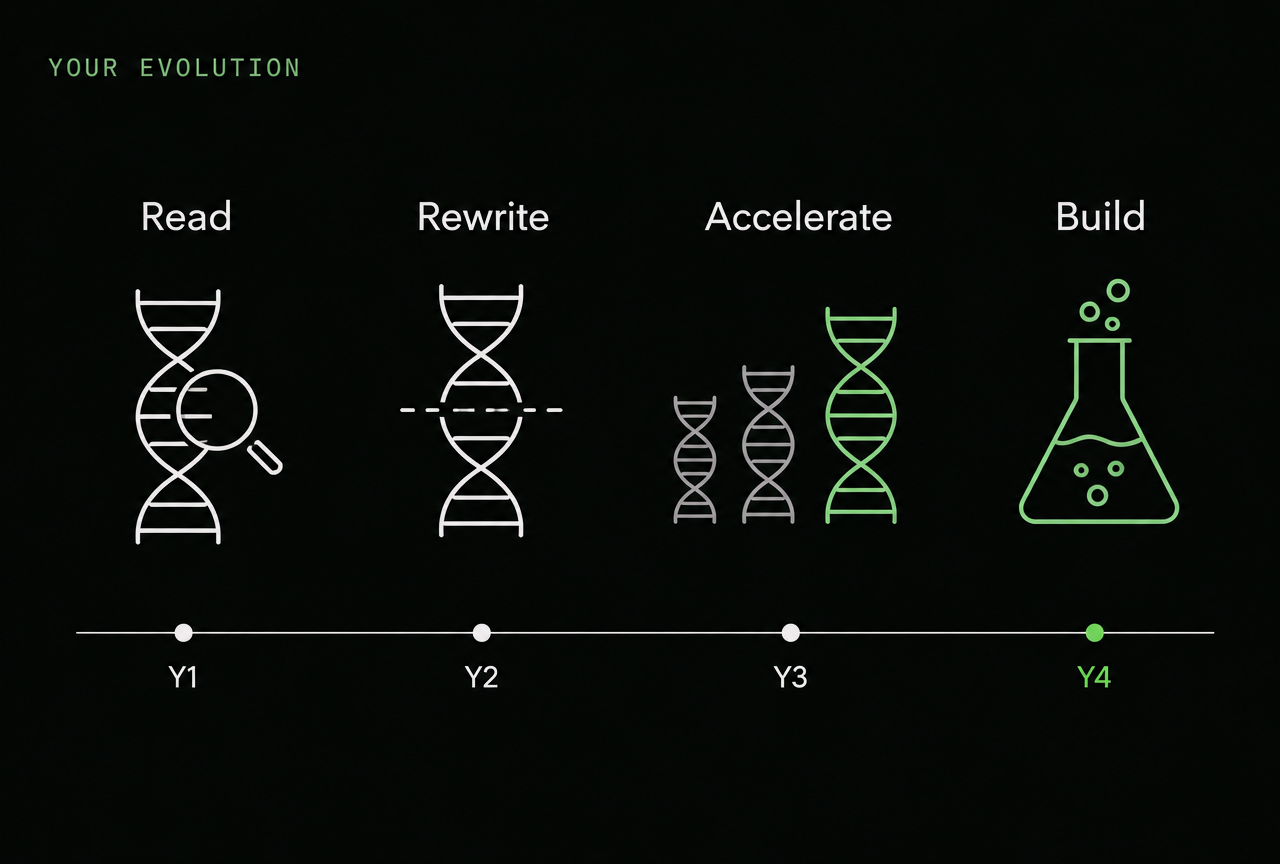
Four Years, Four Evolutions

Read it. Rewrite it. Accelerate it. Build with it.

Every year adds one power to the last. You start by reading DNA, learn to change it, accelerate it with AI, and by Year 4 you work on real biological problems.

Your evolution: Year 1 Read, Year 2 Rewrite, Year 3 Accelerate, Year 4 Build — every year adds one power to the last.

PROGRAMME HIGHLIGHTS

What you learn, year by year

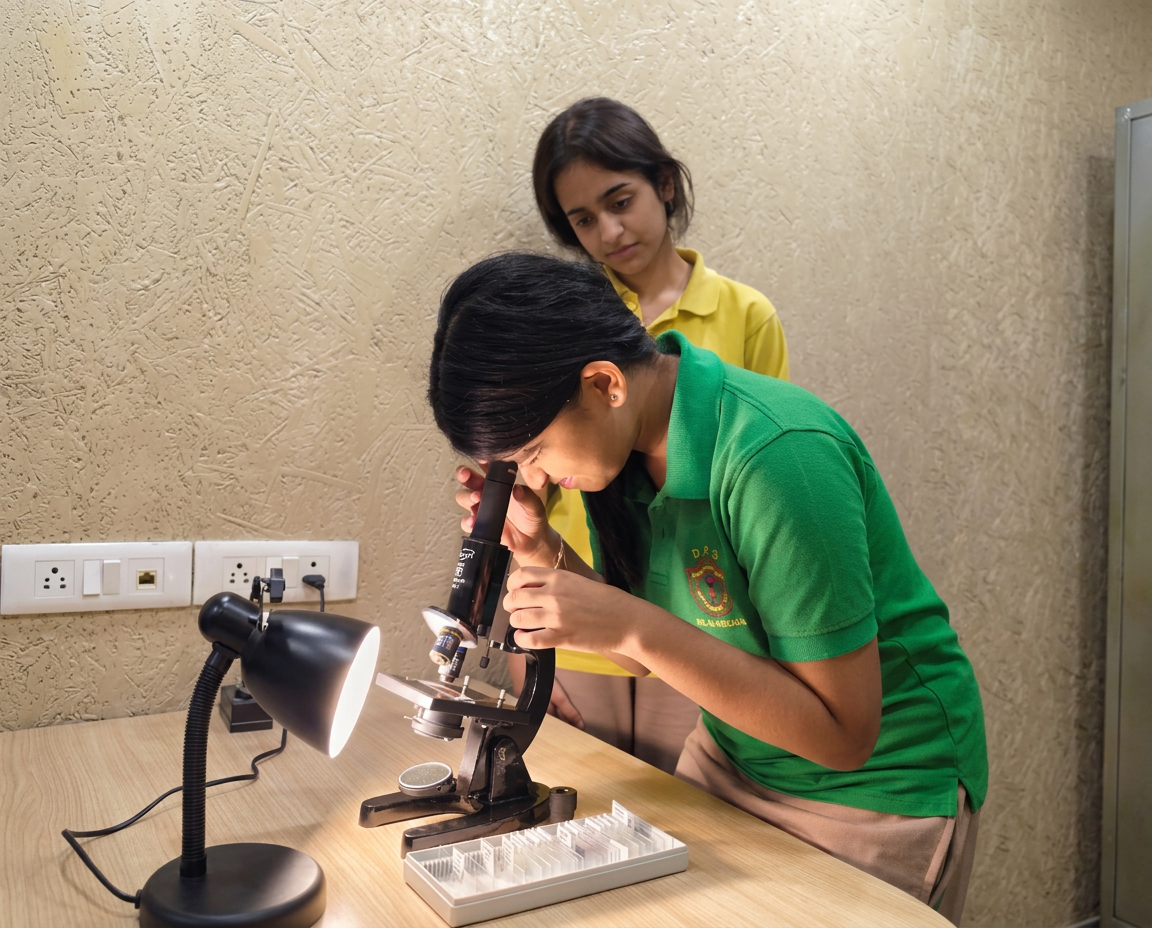
Chapter 01 — Read Biology

Learn the language of life and the code that drives it

Discover the code behind every living thing and master the skill that powers modern biotechnology.

What you'll learn

  • 01Pinpoint cancer-driving mutations and uncover what sets them apart from healthy cells.
  • 02Isolate your own DNA and visualise the invisible code that makes you, you.
  • 03Screen microbes for enzymes and map the function each one drives.

TAKEAWAY

Read DNA with confidence and start answering the biological questions that matter.

YEAR 1
Students in Masters’ Union t-shirts seen from behind, looking at shelves of chemical reagent bottles in a laboratory cold room, with a flammable warning sign and two people in white lab coats
Chapter 02 — Engineer Cells

Change the DNA, predict its effect, and build solutions

Rewrite the code of life, predict the outcome and engineer cells that do work no cell has done before.

What you'll learn

  • 01Target the gene, protein or pathway that stops cancer-cell growth.
  • 02Engineer crops genetically built to thrive in harsher climates.
  • 03Re-engineer microbes to break down plastic, then test how well they perform.

TAKEAWAY

Edit DNA to make cells do something entirely new.

YEAR 2
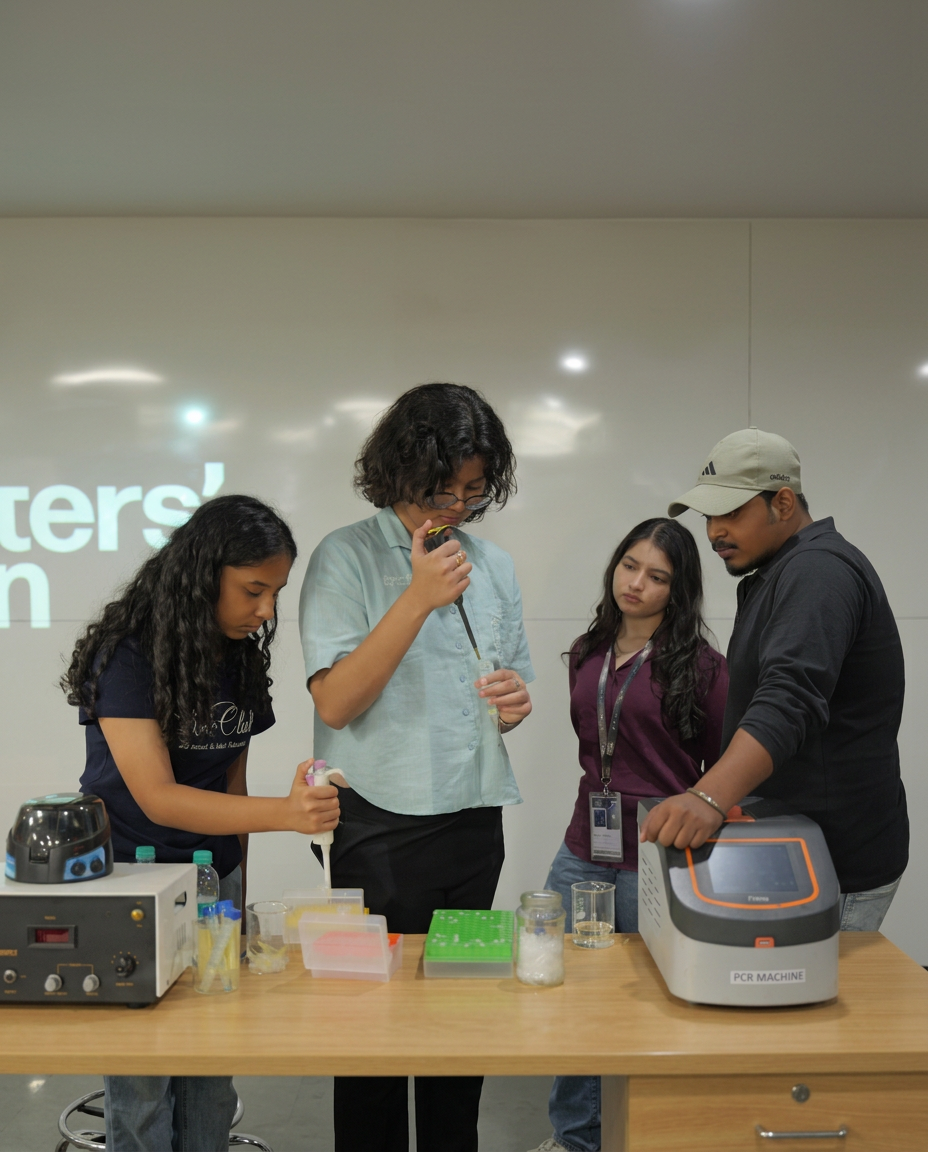
Four students in a laboratory running an experiment at a table, two using micropipettes beside a PCR machine
Chapter 03 — Program Biology

Master AI to accelerate biotech research

Use AI to test thousands of ideas on a computer, so only the best ones reach the lab.

What you'll learn

  • 01Screen thousands of molecules with ML to discover the most effective anti-cancer drugs.
  • 02Build AI models that predict which crops will thrive in a changing climate.
  • 03Design the next generation of bio-solutions using deep learning.

TAKEAWAY

Design and validate biological breakthroughs with AI before they ever touch a lab bench.

YEAR 3
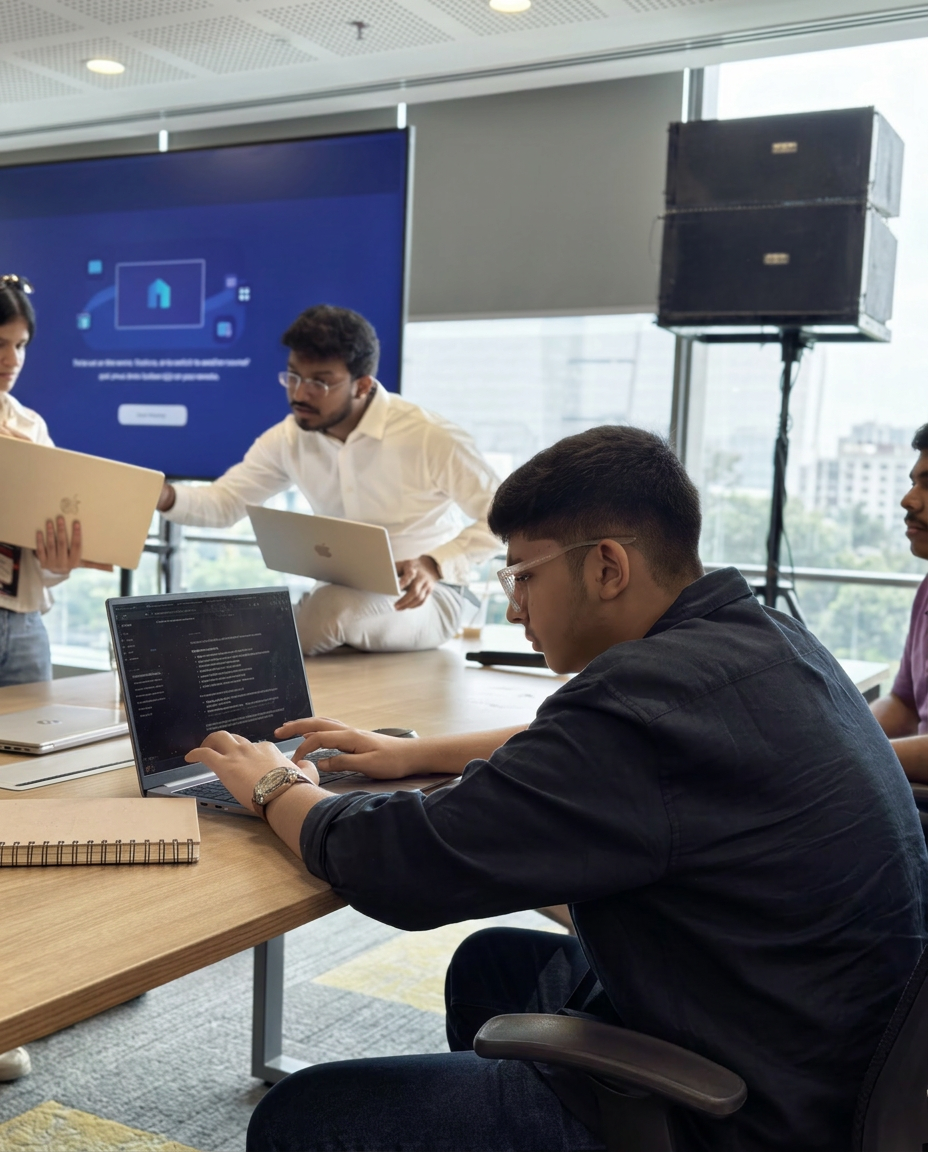
Students working together on laptops around a table
Chapter 04 — Build Solutions

Take your science into the real world

Spend a full year solving real problems inside a company, a research lab or your own biotech startup.

What you'll learn

  • 01Tackle real-life problems in health or agriculture and present a working solution.
  • 02Pitch your idea to Biotech investors and amplify it with crucial live feedback.
  • 03Build the business case for bio-made materials like lab-grown leather or spider silk.

TAKEAWAY

Graduate as a specialist in a frontier field, with a portfolio of real work that proves it.

YEAR 4
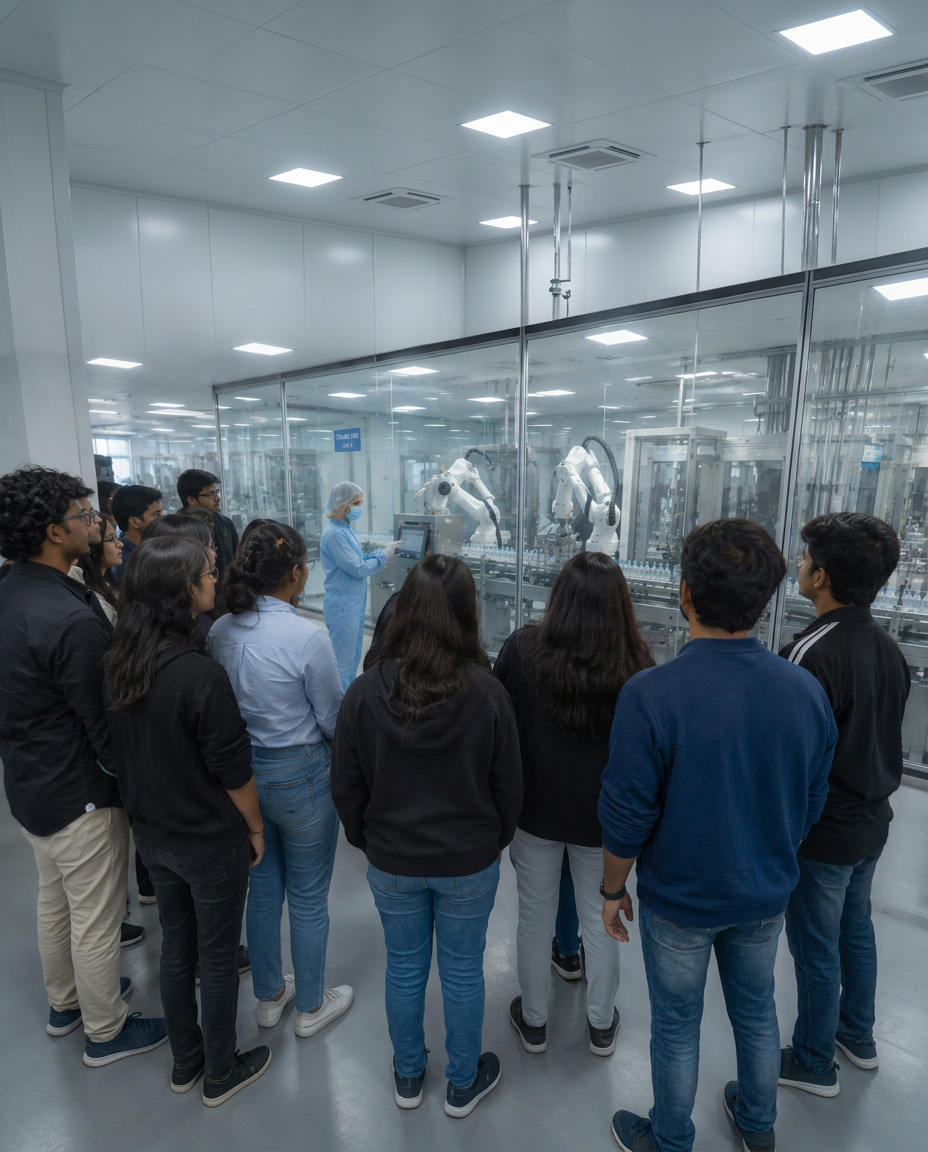
Students watching an automated filling line through a glass partition while a technician in cleanroom gear operates the control panel

VISIONARY VISITING OUR CAMPUS

Learn from the visionary leaders shaping the future of Bioscience

From Harvard genetics to India’s leading hospital groups, national biotech policy and genomics startups, our network brings you the people who define the field.

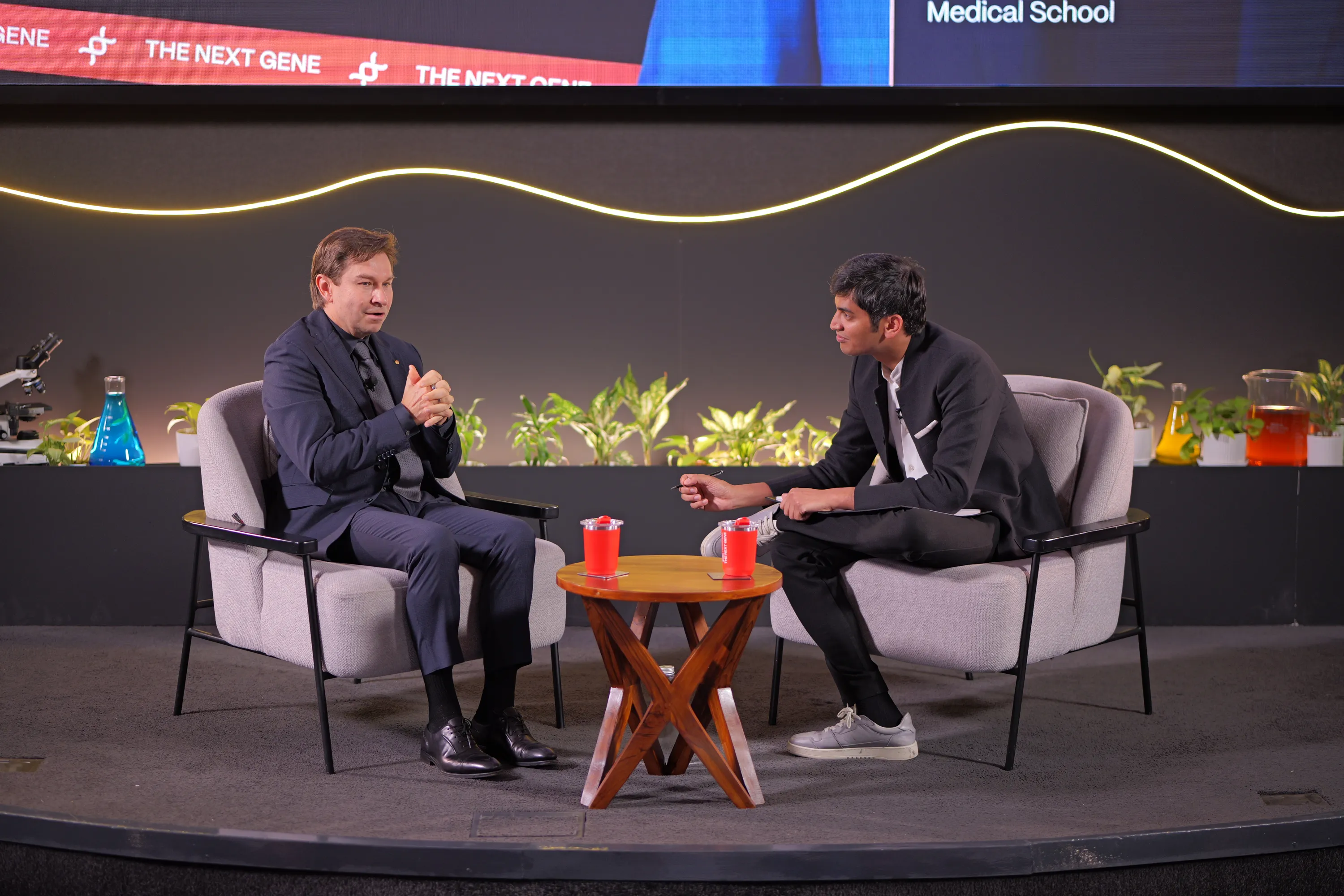
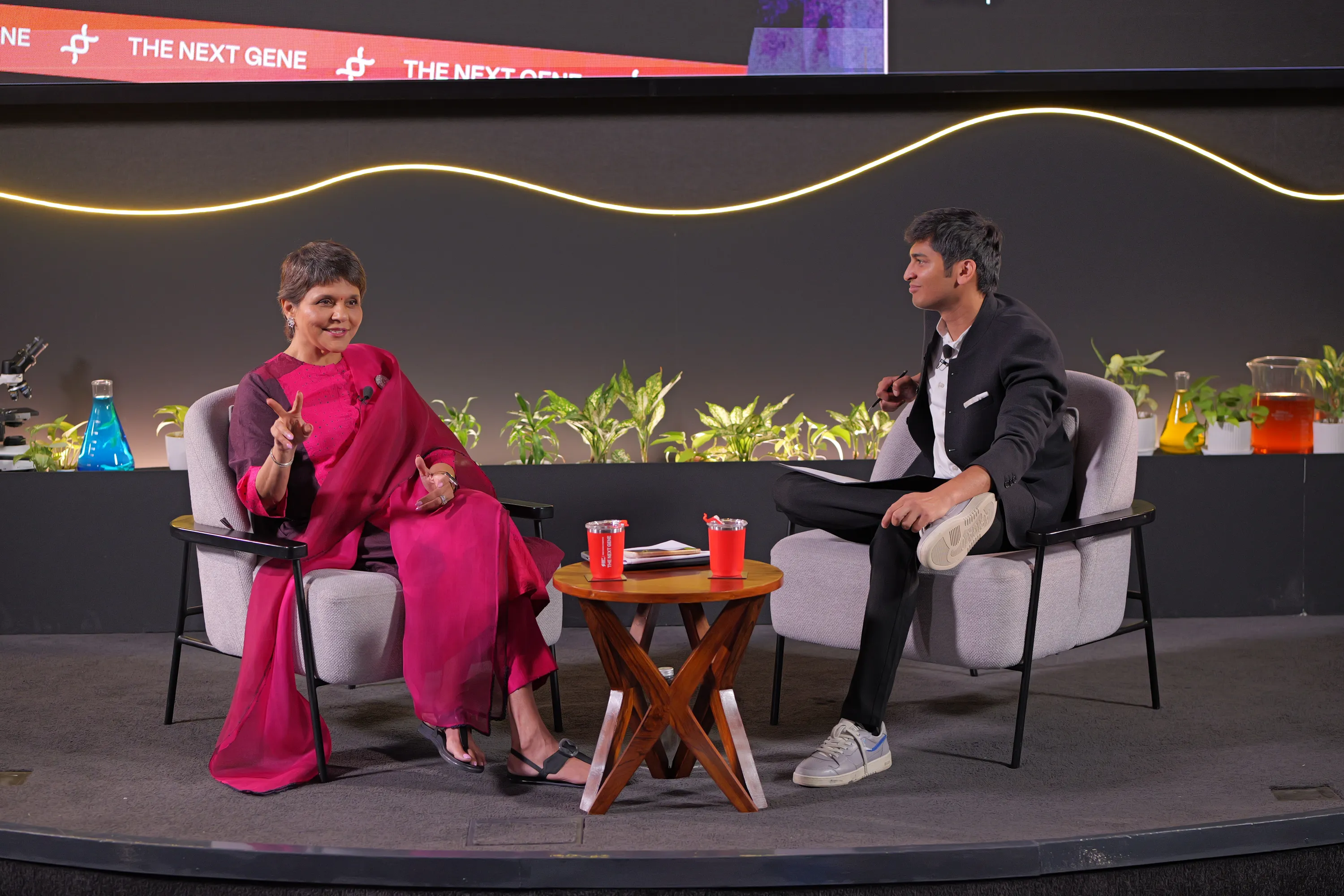
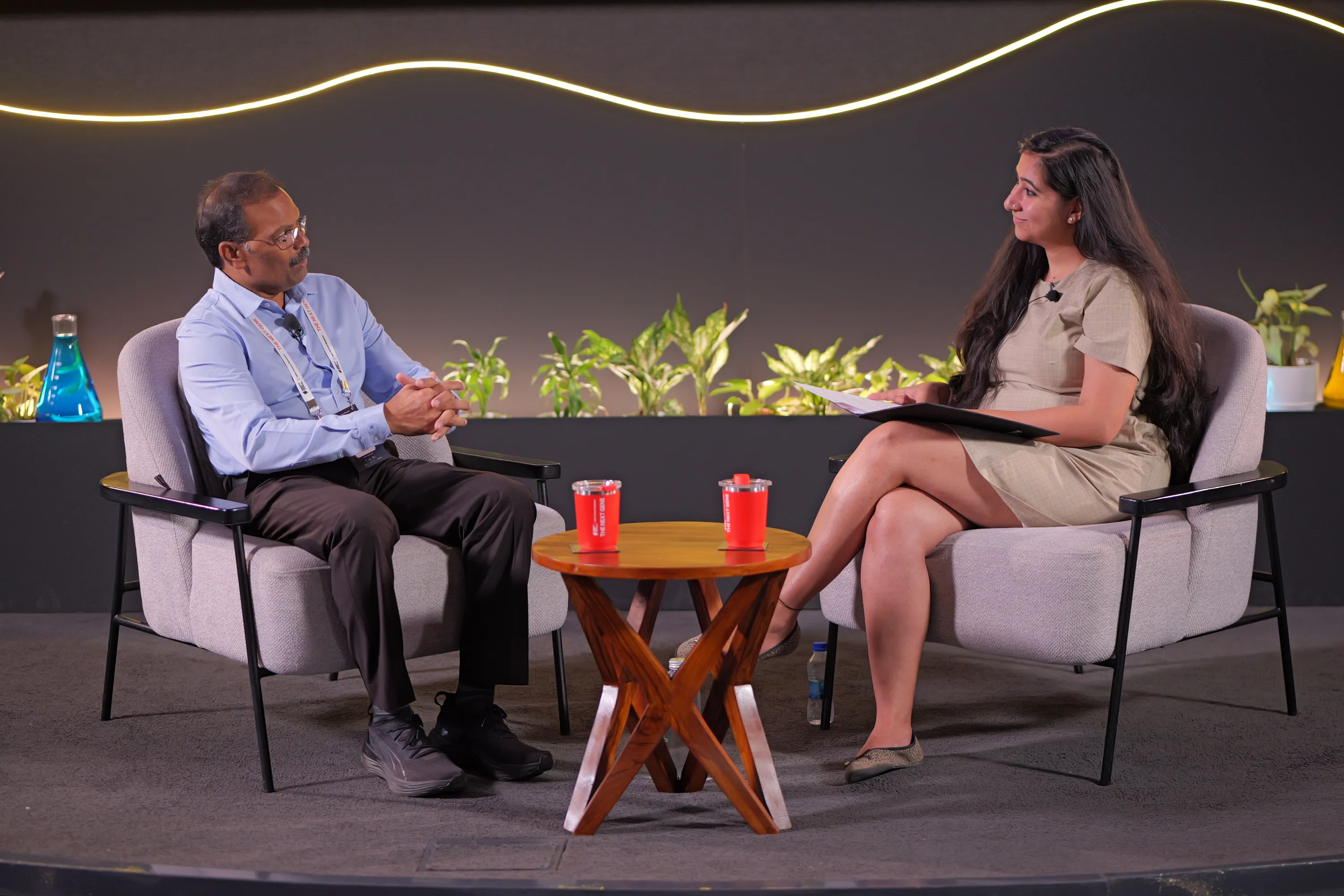
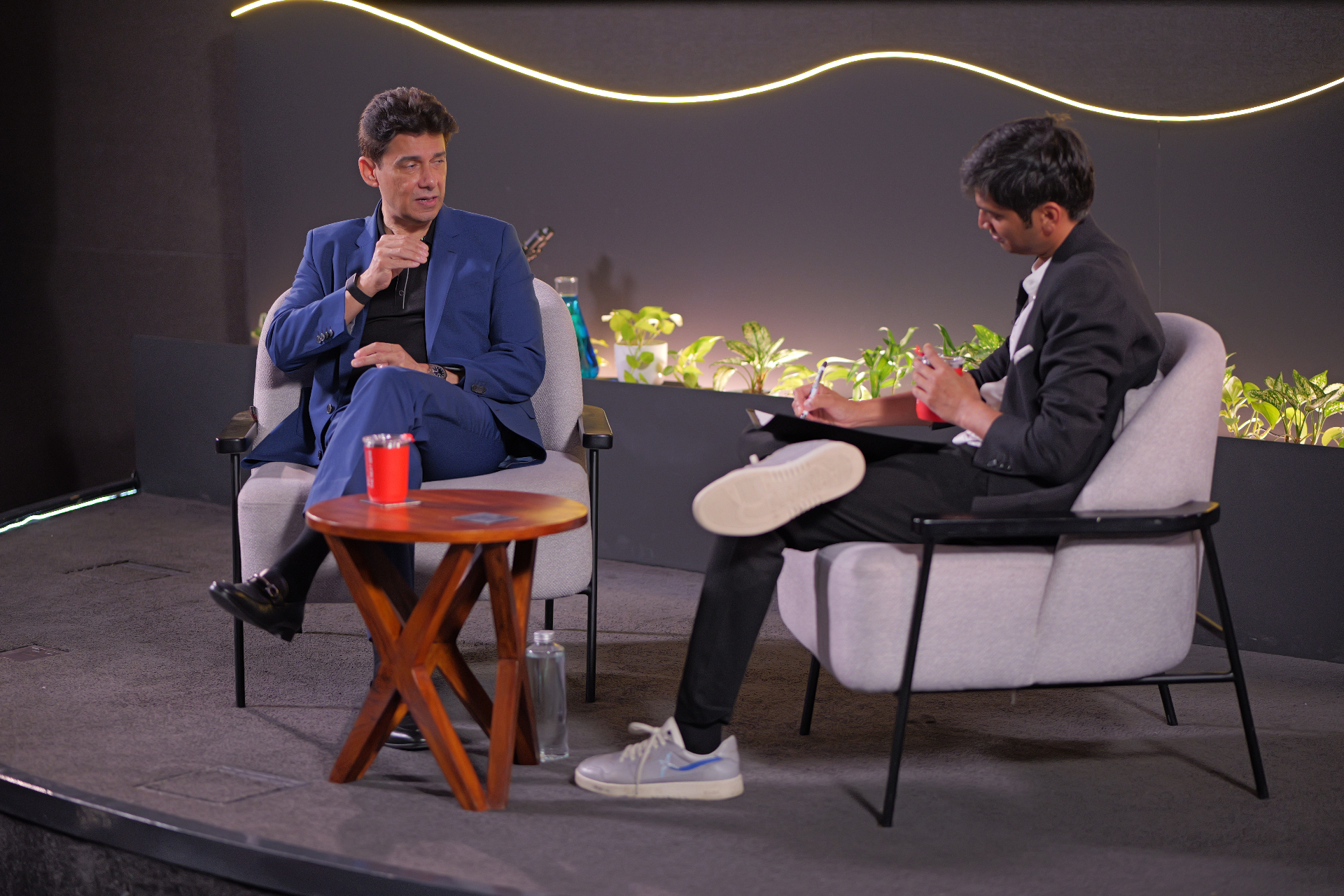
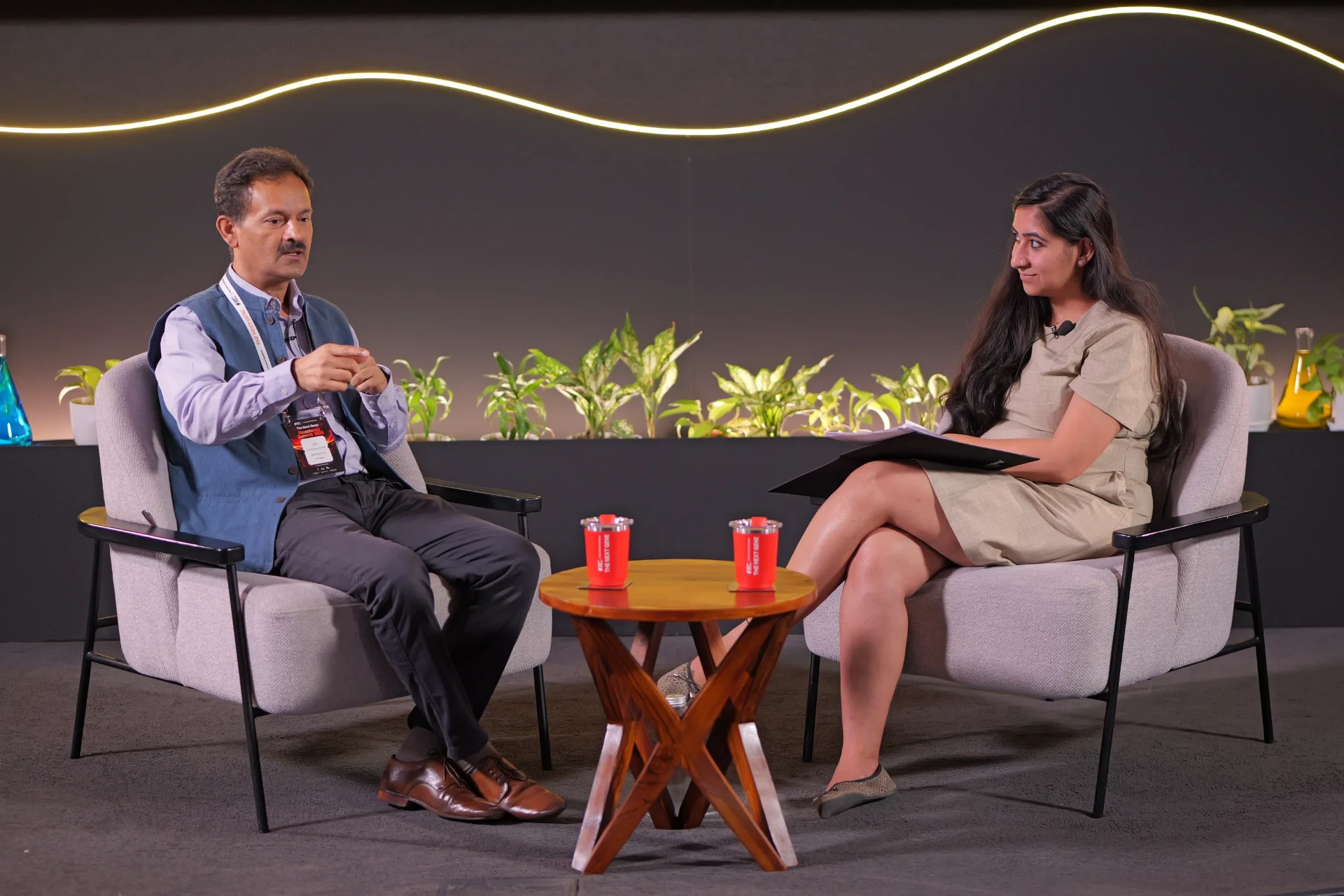
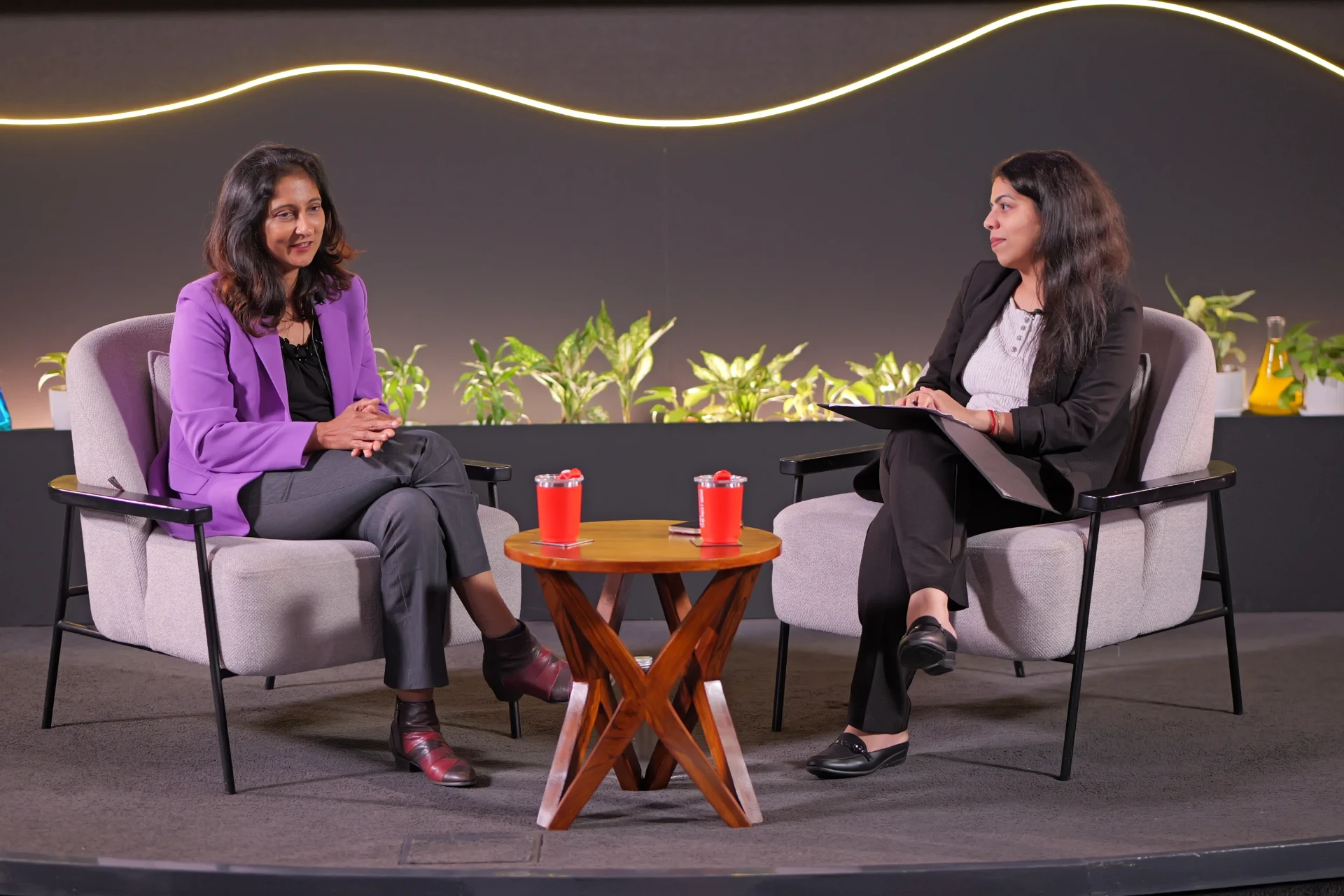
NEXTGENE SUMMIT

Inside The NextGene Summit

Get an inside look at NextGene Summit, where leading voices in bioscience came together to map the next wave of discovery.

 CURRICULUM

Discover a Future Ready AI Curriculum

01
Chemistry of Biomolecules

What are living things made of, and why does one small change in one molecule matter so much?

02
Biochemistry— The Molecular Toolkit

How does a cell turn food into energy and build everything it needs?

03
Molecular Biology— The Central Dogma

How does a string of DNA letters become a working part of a cell?

04
Genetics

Why does one plant survive a drought while its neighbour does not?

05
Cellular & Microbial Systems

How can a microbe smaller than a speck of dust break down plastic?

06
Lab Craft & Biosafety

How do scientists handle living material safely and produce results they can trust?

07
Programming & Data Structures (Python)

How can a few lines of code read a genome faster than any human?

08
Mathematics & Probability for Life Engineers

How do you tell a real biological pattern from pure chance?

09
Data & Computing for Biology

How do you make sense of the billions of data points a single experiment produces?

10
Sequence Analysis Workshop

How do you find the one change in DNA that makes a cancer cell different?

CAPSTONE

The Whole Genome

You will map the entire oncological profile of any one type of cancer/ microbe and identify sites for genetic modification.

SPECIALISATION TRACKS

Six fields. One year inside.

Therapeutic proteins, enzymes and biologics intermediates, in the most demanding field in biotech, where purity, safety and regulators all matter.

Where you workBiopharma manufacturers and contract research organisations (CROs)

INFRASTRUCTURE

Our Laboratories

Various laboratories leads to one mission: turn biological ideas into working science. You will spend much of your degree at our in-house and partner labs. Each lab maps to a stage of the programme and a pathway in Year 4.

Bioinformatics & Computational Biology Lab

Where biology meets mathematics. Train models on DNA sequences, build specialised language models for molecular biology, predict protein structures and create digital twins of biological systems.

Focus areas

DNA sequencingDigital twinsProtein foldingDomain-specific LLMs

FACULTY & MENTORS

Learn from the visionary leaders shaping the future of Bioscience

IMMERSIONS 

Learn Beyond the Classroom

Across four years, every student moves through a structured sequence of industry & global immersions, and opportunities to study at top bioscience schools, globally.

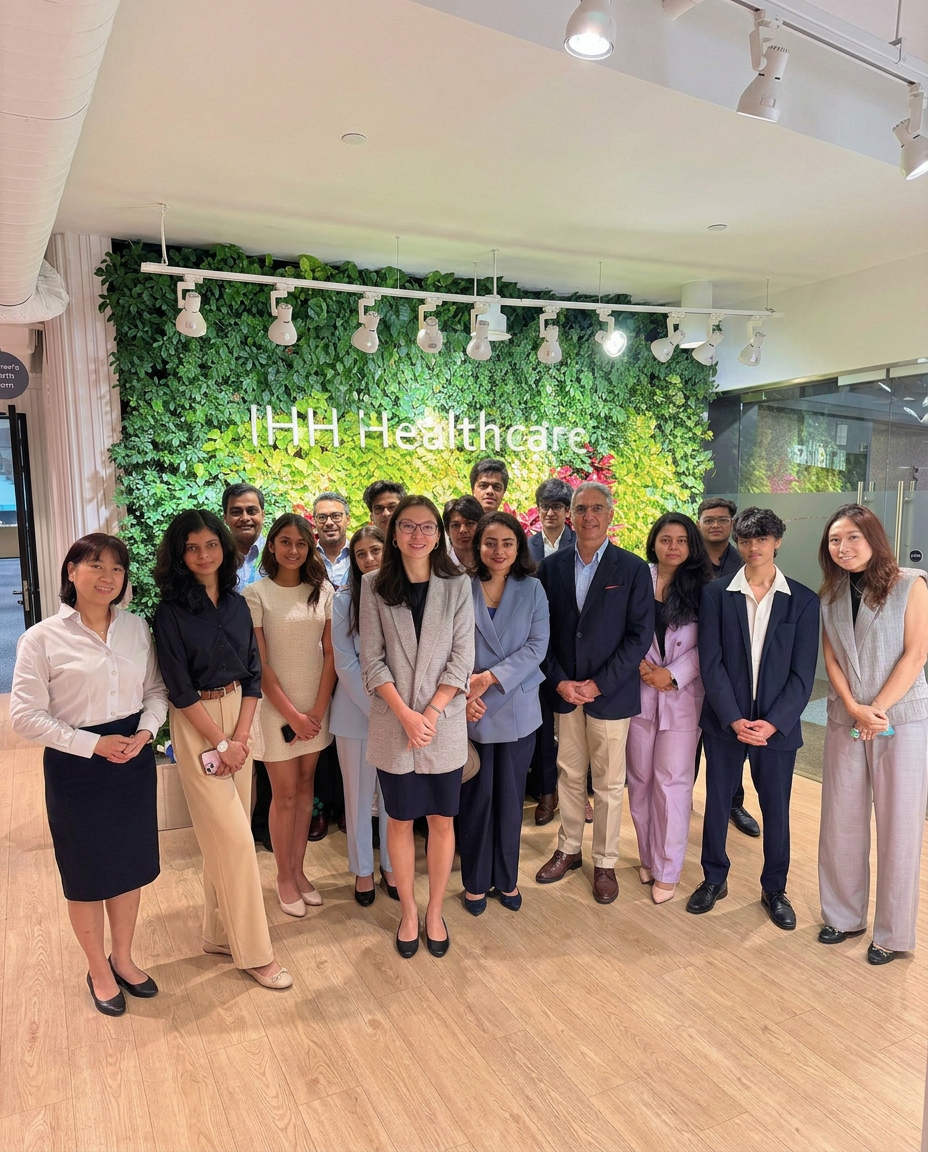
Students and staff posing in front of a living plant wall with IHH Healthcare lettering during an industry visit

Immersion 01

Industry Visits & Research Immersion

A guided project in a faculty or partner research lab, where you carry a question from hypothesis to result.

Regular site visits to biotech, pharma, fermentation, agri-biotech and bio-materials facilities of partner companies. See how a flask-scale idea becomes a factory-scale product.

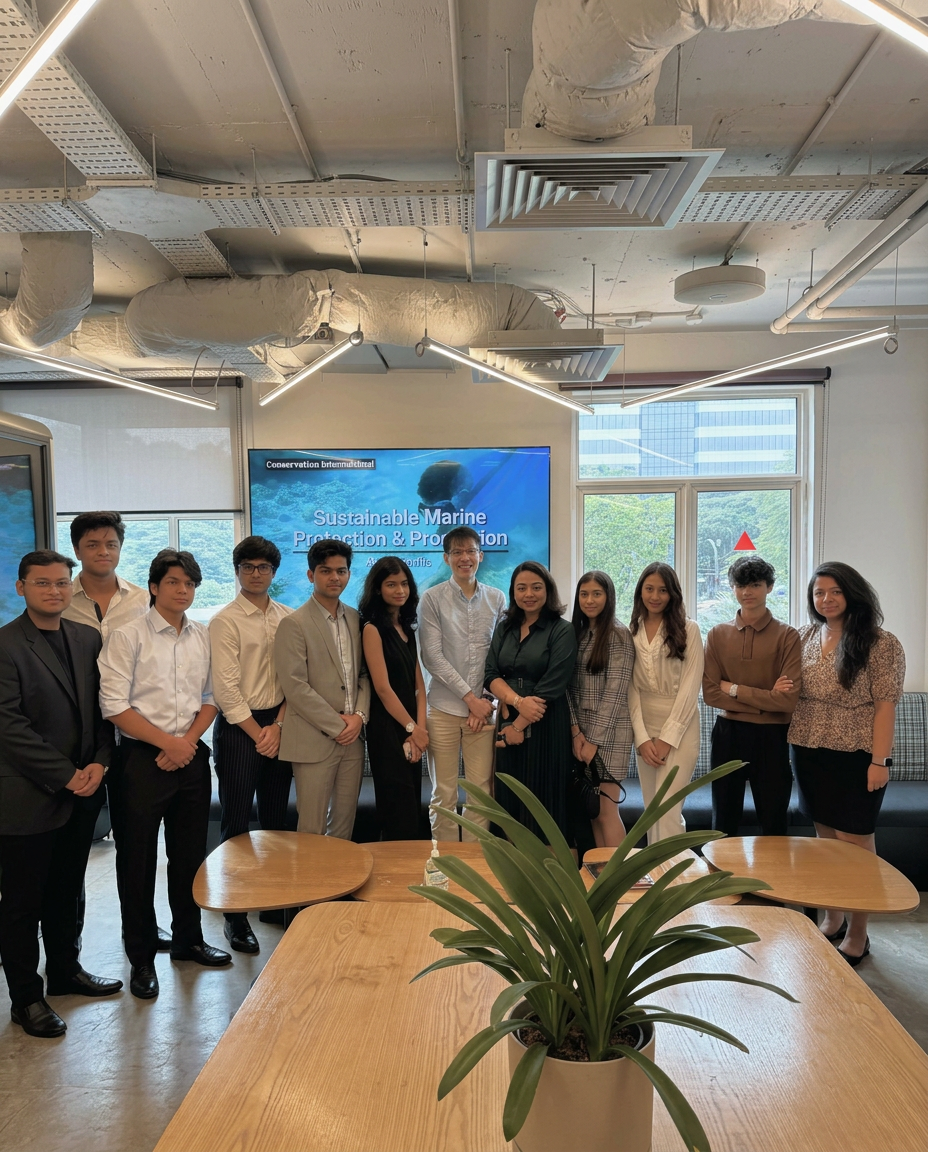
Students and staff posing with hosts from Conservation International in front of a 'Sustainable Marine Protection & Production Asia-Pacific' presentation screen

Immersion 02

Global Immersions

Experience how leading biotech, pharma and AI-for-biology companies are building and scaling across geographies.

Duration
1–2 weeks
Where you go
Japan · Europe · Singapore · UAE · South Korea
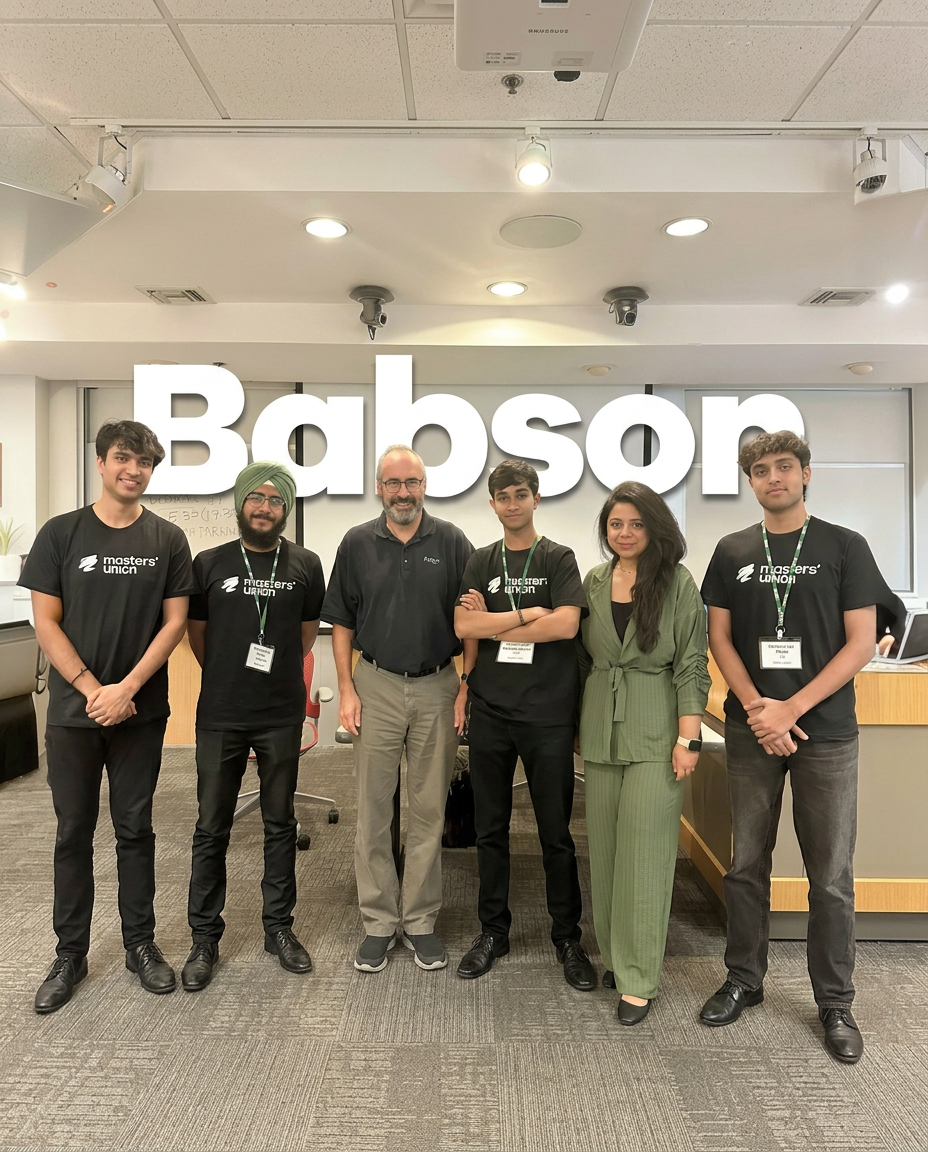
Students and staff in Masters’ Union t-shirts posing with hosts at Babson College during a semester abroad visit

Immersion 03

Semester Abroad & Dual Degree Pathway

Spend a summer or semester abroad at prestigious global institutions including Imperial College, Griffith University and Singapore Management University.

Duration
Semester / Summer
Partner institutions
Imperial College, London · Griffith University, Australia · Singapore Management University, Singapore

ADMISSION PROCESS & TIMELINES

Inside: the full admission criteria and what makes an ideal candidate.

Application Timeline & Process

STEP 01 · Essential Documents

Complete the Application

  • School Marksheets of Class X and XI.
  • 12th grade passing certificate for students graduating in either year 2025, 2026, or 2027.
STEP 02 · About the Video Essay

Complete the Video Essay

Once you submit the online application and pay the application fees, you will have to submit a short 2-minute video essay describing your interest in technology and any past experiences in building an application/internship etc. within 3 days.

  • Video length: Please create a video that is no longer than two minutes in duration.
  • Hobbies: It would be helpful if applicants could pick interesting, unique points that will make them memorable for the admissions committee.
STEP 03 · Eligible Competitive Exams

Submit Your Test Scores

After completing the video application, students will receive a form to submit their JEE Advanced admit card/JEE scores/ SAT results or take the Masters’ Union Scholarship Aptitude Test (MUSAT).

Note - Students taking the MUSAT will have a 7-day window to complete it. They will receive only one attempt at the main test but will have access to a practice test beforehand. Preparation materials for the test can be found here.

STEP 04 · Status of Evaluation

Admission Evaluation

Once shortlisted applicants have submitted their application along with their aptitude scores, the admissions team will respond with their final decision and the students will fall into three categories:

Accepted

Applicants who have been offered admission to Masters’ Union will receive their decision along with the financial structure for the upcoming programme.

Rejected

Applicants rejected by the admissions team can apply to the programme again in the next academic year.

Waitlisted

Masters’ Union doesn’t maintain any ranked waitlist. Applicants placed in this category will have their admission dependent on the spots that might become available in the class.

RoundsStatusAdmission deadlineMUSAT deadlineInterviewsApplication feesCommencementAction
Round 1Active5th Oct ‘26 - 15th Dec ‘26Oct/Nov ‘26Oct/Nov ‘26INR 750/-August ‘27Apply Now

FEES & SCHOLARSHIPS

Fees, Scholarships & Financing

Scholarships of 20%, 35% and 50% on tuition are awarded on JEE, SAT or MUSAT performance and the applicant's overall profile. Loans of up to 95% of programme fees are available through partner institutions.

Admission Fee

INR 1,80,000/-

One-time, non-refundable

4-Year Tuition Fees

INR 52,50,000/-

Before scholarship

Scholarship Slabs on Tuition

20%You Pay

₹ 42,00,000

JEE 85%ile+ / SAT 1290+ / MUSAT 35+

35%You Pay

₹ 34,12,500

JEE 90%ile+ / SAT 1360+ / MUSAT 40+

50%You Pay

₹ 26,25,000

JEE 95%ile+ / SAT 1450+ / MUSAT 43+

Scholarships are awarded based on performance in the Masters' Union University Scholarship Aptitude Test (MUSAT) or other recognised aptitude/entrance tests, along with the applicant's overall profile.

Hostel is charged separately. Loans cover up to 95% of programme fees.

ADMISSIONS 2027

Work on a real biological challenge from Day 1! 

Admission via video essay and MUSAT. JEE and SAT scores are also accepted. No prior robotics experience required, only the itch to make something move.

Apply Now

Loading application form…

* The award of the degree/diploma is subject to applicable academic requirements and regulatory norms.

Contact Us

Connect with the team

Round 1 closes 15th Dec '26 · Starts Aug '27

Biology is now code.
Learn to write it.